
By Kavitha Vipulananda, University of Melbourne
Australia keeps reaching for tax reform to fix the housing crisis, but the 2026 Federal Budget still didn't tackle one of our biggest problems. What it missed was speed.
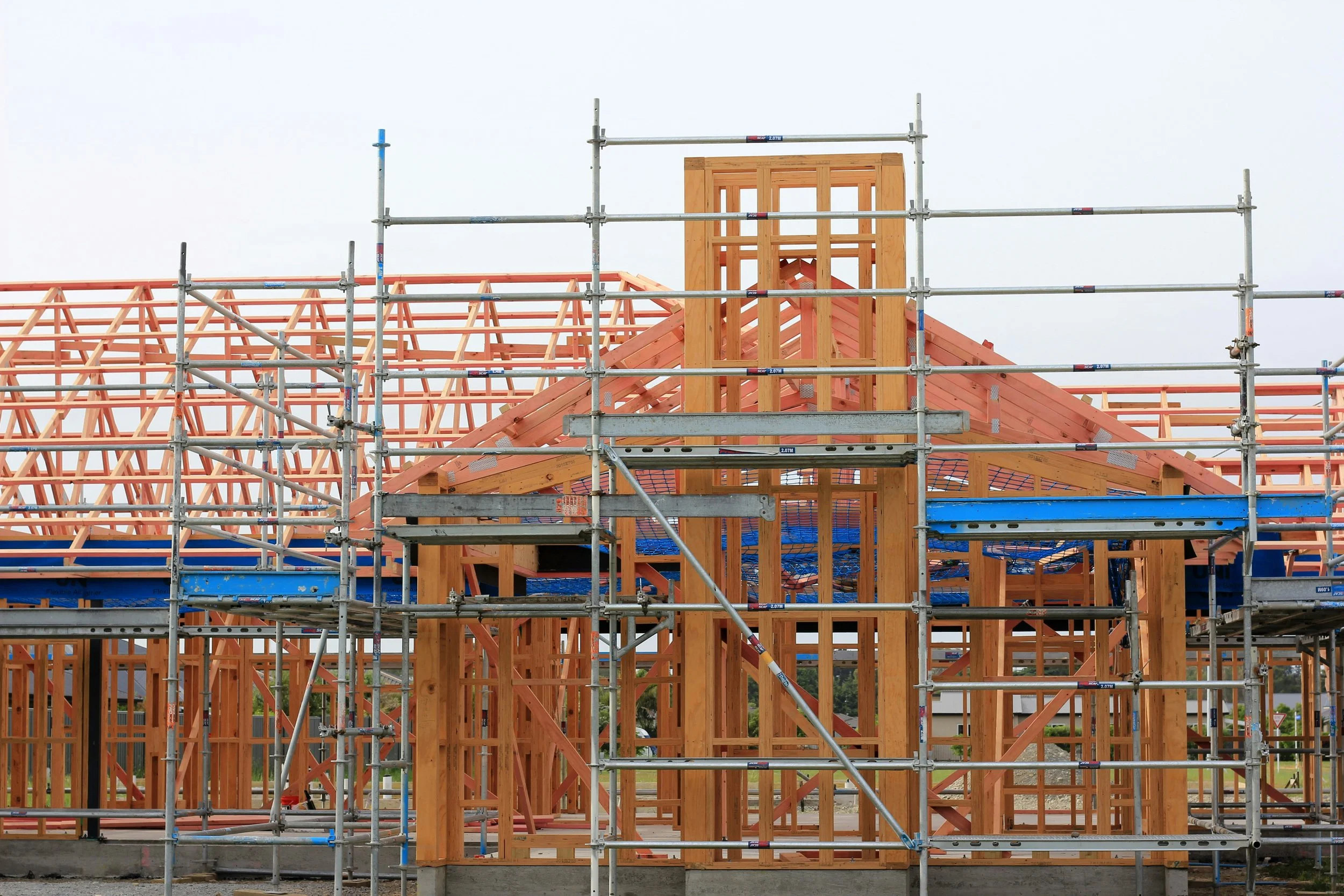
Australia has tried to solve its housing problem by changing who is allowed to own a home and on what terms.
The 2026 Federal Budget is the most ambitious version of that approach in a generation, and on its own terms, it passed.
Negative gearing will be limited to new builds from 1 July 2027. The 50 per cent capital gains tax discount will be replaced by cost base indexation and a 30 per cent minimum tax, effective from the same date.
A new $AUD2 billion Local Infrastructure Fund will help states deliver infrastructure that unlocks land for housing.
The Treasurer called it “the most significant transformation of the tax system in more than a quarter of a century”.
On the narrower question of who the housing market rewards, that claim is largely true. On the wider question of whether any of it will build more houses, the budget went quiet.
But Australia is not failing to build enough homes because we lack workers, demand or political attention.
Instead, we have quietly become much worse at building them.
The number of dwellings completed per hour worked has fallen 53 per cent since the mid-1990s, according to the Productivity Commission.
That is the structural problem under every headline about affordability, and it is the one problem this budget did not touch.
The distinction matters because changing ownership and building homes are two different things, and we keep treating them as if they are the same.
Construction isn’t happening at speed
The reforms in this budget are aimed at the demand and financing side.
They change who benefits from owning a home and how investment flows toward new supply rather than established stock.
These are reasonable goals and the shift away from subsidising competition for existing houses is overdue. None of it, however, makes a single home easier to build.
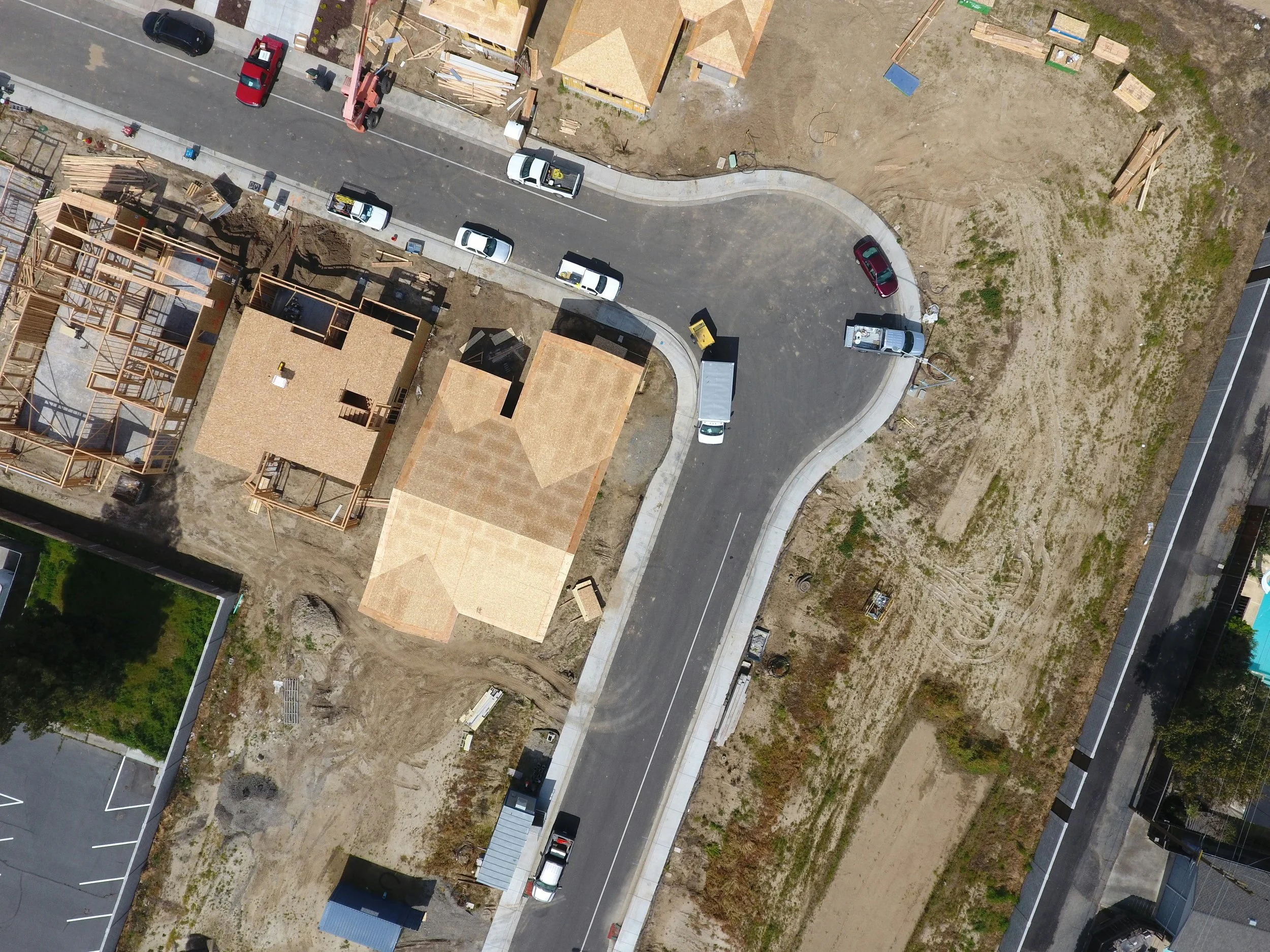
In Australia, the number of dwellings completed per hour worked has fallen 53 per cent since the mid-1990s. Picture: Unsplash
A tax incentive directed at new construction assumes the construction can happen at the speed and cost that Australia needs.
On current evidence, it cannot.
The government’s own forecasts concede the gap.
Dwelling investment is projected to rise four per cent in 2026-27, a figure that does not come close to the build rate required to meet the National Housing Accord target of 1.2 million homes by mid-2029.
We are currently on track to fall short by around 262,000 homes.
The budget improves the incentives to invest in homes that the sector still cannot deliver fast enough. Better terms for the people who want to invest.
Almost nothing for the firms that must build.
This matters because the cost of slow building is not paid by investors weighing their tax position. It is paid by the people already outside the system.
None of these figures moves because negative gearing is restructured.
They move when homes are completed and completions are exactly what we have stopped doing well.
Changing the housing build rate
The fix is known, not speculative.
The evidence on modern methods of construction, including prefabricated, modular, robotic and 3D-printed buildings is now well established.
These methods compress timelines, reduce waste and lift output per worker, which is precisely the variable that has collapsed here.
The technology exists in Australia already. What is missing is the policy to move it from a niche to the mainstream, and a budget is the natural place to start.
Housing policy serious about supply, rather than only about incentives, would have funded the things that change the build rate.
This budget could have:
• A national certification framework requiring all states to recognise certified prefabricated and modular homes, so a home approved in one jurisdiction is not re-litigated in the next.
• A target of 30 per cent for modern methods of construction in Commonwealth-funded social and affordable housing by 2028, rising to 50 per cent by 2032.
• Reform of construction financing so completed modular homes are valued on the same loan terms as traditional builds.
• A commitment to restore social housing to six per cent of total stock by 2035, the share it held in the 1980s.
• Investment in material substitutes for the inputs in shortest supply, like timber, so a single constrained material no longer stalls a build.
• Support for sustainability measures that lower the carbon footprint of new homes without adding to their cost, so that building greener does not mean building fewer.
• Faster and more consistent permit processes, so that approval delays stop adding months to every project before a single wall goes up.
None of these measures appeared.
The budget, like the housing policies before it, chose the lever that is easier to pull – tax – over the lever that is harder but more consequential – productivity and cost.
That is an understandable choice for a government with little money to spend. It is not a choice that builds houses.
Reforms aimed at ownership tend to reach the people who are already close to owning. This one is no exception.
It helps future first home buyers, an estimated 75,000 more of them over a decade, according to the government’s own numbers. It helps investors who can navigate a more complex tax regime.
It does comparatively little for the households already counted in the stress and waitlist figures, because changing the tax treatment of ownership does not put a roof over the heads of those without one.
Shelter is a human right
Until housing policy is willing to confront both how we build and who we leave out when building is too slow, the boldest tax reform in a generation will deliver a great deal of policy and not nearly enough housing.
Shelter is an internationally recognised human right.
Australia is failing on homelessness and affordability. We are also one of the few liberal democracies without a national Human Rights Act, which means the right to housing exists in our international commitments, but not in our federal law.
I would have built a different budget and a different kind of housing policy.
I would have backed middle-of-the-market investors and small businesses rather than taxing them harder, because they are what keep the economy turning.
I would have funded the things that actually shift the rate of construction.
Housing policy reveals its priorities in who it asks to pay, who it chooses to protect and what it is willing to fund.
This budget, I believe, chose wrongly on all three.
This article has been republished from the Pursuit under a Creative Commons license. Read original.